|
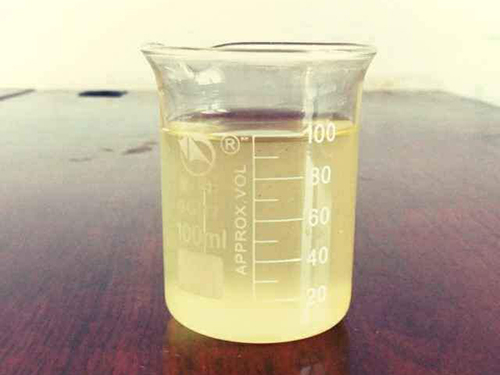
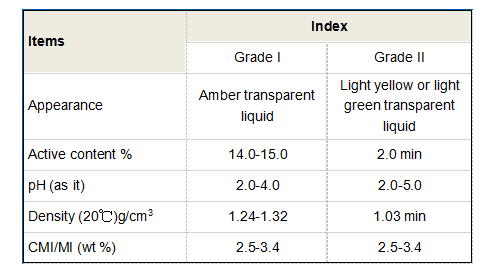
| isothiazolinone 1.5 |
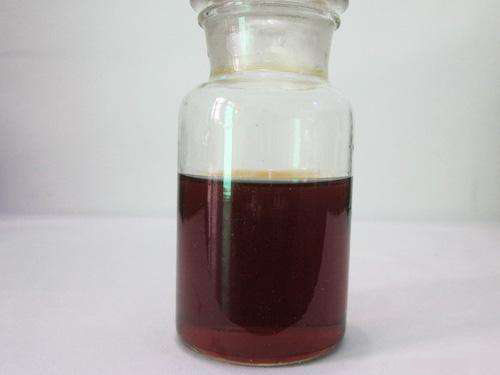
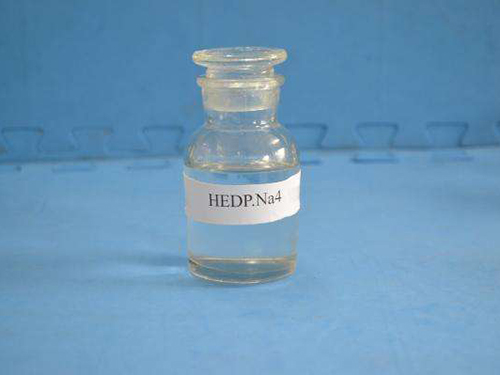
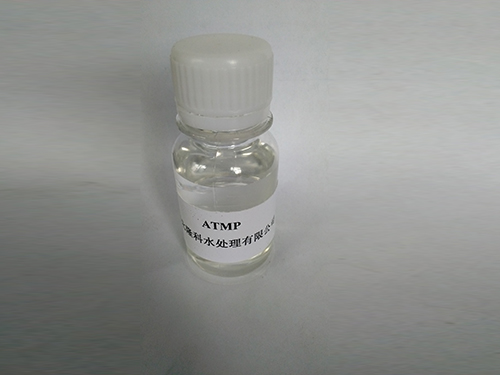
| cooling water corrosion inhibitor / corrosion inhibitor for cooling water system / cooling tower corrosion inhibitor / cooling tower scale & corrosion inhibitors / cooling system corrosion inhibitor: A major product line for LKP BTC is "cooling water corrosion inhibitors." These are chemical treatments designed to protect the metal surfaces in open recirculating "cooling tower" systems, once-through "cooling systems," and heat exchangers from scale, corrosion, and biological growth, ensuring operational efficiency and longevity. |
|
 |
| flocculants used in wastewater treatment |
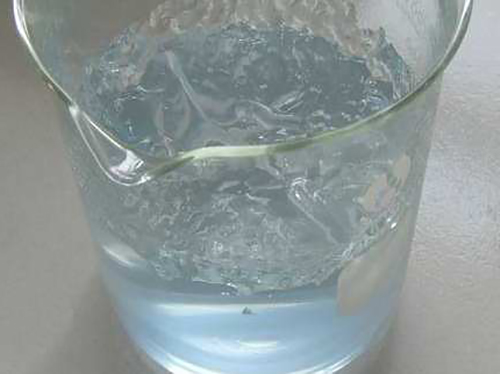
| polyacrylamide for sale / polyacrylamide manufacturers / polyacrylamide factory / polyacrylamide supplier / oem polyacrylamide / pam polyacrylamide / polyacrylamide polymer / 9003 05 8 / pam chemical for water treatment / pam water treatment / pam chemical water treatment / polyacrylamide in water / polyacrylamide is a / polyacrylamide p3 / polyacrylamide production / polyacrylamide function / lk-318 / lk-319: LKP BTC is a premier "polyacrylamide manufacturer" operating its own "factory" to produce high-quality "PAM" (Polyacrylamide) "polymer." As a leading "supplier," they offer "polyacrylamide for sale" in various grades and provide "OEM" services. The CAS number for polyacrylamide is 9003-05-8. The primary "function" of their PAM products is for use as a flocculant in "water treatment," where it helps aggregate fine particles for easy removal. They produce specific product lines like "LK-318" and "LK-319" for different applications. |
|
|
 |
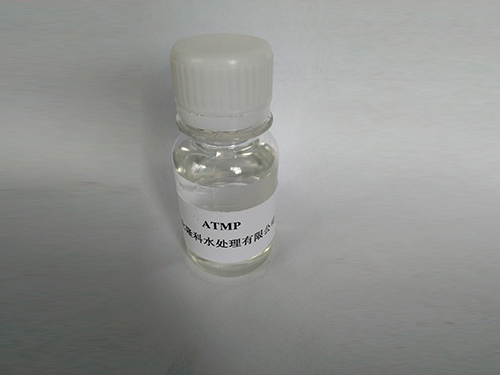
| ethylene di amine tetra acetic acid |
| cationic polyacrylamide / cationic polyacrylamide flocculant / cationic pam / cationic polyacrylamide price / cationic polyacrylamide uses: LKP BTC specializes in "cationic polyacrylamide" (C-PAM). This type of PAM carries a positive charge, making it highly effective as a "flocculant" for treating organic sludge, wastewater with high organic content, and for dewatering applications. The "price" and specific "uses" are tailored to the charge density and molecular weight of the polymer. |
|